What it is Domains have a hierarchical structure that consists of both subdirectories and subdomains, which can sometimes get very confusing. Subdomains are addresses that exist under your primary domain and are commonly used to create new addresses that host different or specific kinds of content. This is different than a subdirectory, which is content […]
What they are Redirects occur when you the address for a page changes. For example, let’s say you have yoursite.com/overview and decide that this page would more accurately be called “about us”. So you change the URL in your CMS, save your changes, and the page can now be found at yoursite.com/about-us. Now, if someone […]
Broken Links What it is Broken links are those that result in a 404 File Not Found or 403 Forbidden Status code. In both cases, a visitor has clicked a link and been taken to a page where content is either not found or inaccessible. Why it matters Broken links are a usability issue and […]
Sitemap & Robots.txt What are sitemaps and robots.txt? Two key tools for helping search engines understand and properly index your website are an XML sitemap file and Robots.txt file. XML sitemap: An XML document that shows search engines the overall structure and inter-relationship of content on your site. Robots.txt: File declaring what should be excluded […]
Structured data What it is Structured Data markup allows you to provide search engines with content level organizational information. (see examples below). Example: PERSON MARKUP | Education, Nickname, Birth Date Example: EVENT Markup | Event date, Event Name, etc. Why it matters Making use of structured data help search engines parse content and display it […]
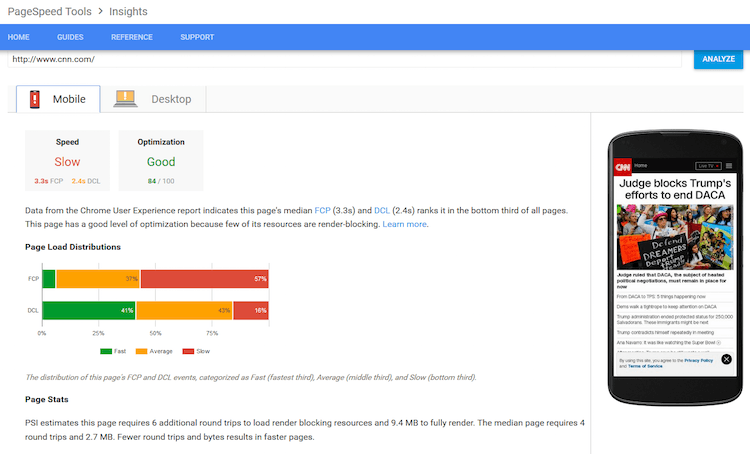
Speed / Load Time Good page load times are an often underrated (and increasingly important) SEO signal as well as vital for usability reasons. Recently Google made the change to ‘mobile-first’ indexing, making load times on mobile devices more important than ever. See here for how speed relates to SEO. Why it matters Google’s own […]
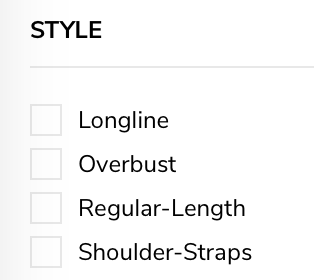
What it is One of the most common technical problems we see is duplicate and near-duplicate content. Often this arises from faceted navigation systems, for example the color, size, or style selection dropdowns or tick boxes on ecommerce sites. Let’s say we have a range of 200 donut products. The user can filter this by […]
In addition to site features and configuration issues that can generate duplicate content listings, there are additional external factors that can cause similar issues. Review Embedding What it is It is known that providing reviews for products and services can be a highly effective quality signal to potential customers. Leveraging things like google or amazon […]
WCAG Compliance What it is The Website Content and Accessibility Guidelines (WCAG) are a series of guidelines developed by the World Wide Web consortium (W3) to provide compliance standards for accessibility on the web. These guidelines touch on both technical implementation as well as more qualitative or general guidelines for ensuring differently abled web users […]
There are several common configuration options that can lead to issues if not addressed and made consistent. www vs. non-www Both a www and non-www version of pages can be live and accessible. Subdomain = www.yourdomain.com Root (aka “naked”) Domain = yourdomain.com It doesn’t typically matter which version is used as long as one is […]
Have a project you need support on?
Need staff augmentation for your agency or organization?
We love connecting with smart people who have great ideas.